Explore Europe’s historical sites: a journey through the heart of time
- Audrey
- Mar 29
- 4 min read

Europe is brimming with historical treasures that tell fascinating stories. Every stone, every alleyway, every monument bears witness to a rich and diverse past. As you wander through these sites, you feel a unique connection with the civilizations that shaped our world. I invite you to join me on this exciting adventure through some of Europe’s most iconic historical sites. Get ready for an inspiring journey where culture and discovery blend seamlessly with enchantment.
Discovering the jewels of Europe’s historical sites
Europe is a true open-air museum. From medieval castles to ancient ruins, each site offers a journey into a different era. For example, the Colosseum in Rome, a majestic amphitheater, evokes the grandeur of the Roman Empire. When visiting this monument, it is easy to imagine the gladiator fights and grand spectacles that once animated the city.
Further north, Neuschwanstein Castle in Germany, with its fairy-tale towers, looks as if it came straight out of a storybook. This 19th-century castle, built by King Ludwig II of Bavaria, is a masterpiece of Romantic architecture. It offers breathtaking views of the Bavarian Alps, a perfect setting for photography enthusiasts.

These sites are only the tip of the iceberg. Every European country has its own treasures, often little-known, that deserve to be explored.
Must-see historical sites in Europe to visit absolutely
For those who wish to plan an itinerary rich in discoveries, here is a selection of must-see historical sites:
The Great Wall of China in Europe? No—but the walls of Ávila in Spain, with their impressive ramparts, recall the strength of medieval defensive architecture.
Mont-Saint-Michel in France – This unique site, perched on a rocky islet, combines religious history with medieval architecture.
The Parthenon in Athens, Greece – A symbol of democracy and ancient philosophy, this temple dedicated to the goddess Athena is a must for history lovers.
Stonehenge in England – A mysterious circle of stones that continues to fascinate visitors with its still partly enigmatic origins.
The Pena Palace in Portugal – An eclectic blend of architectural styles, this colorful palace is a Romantic gem nestled in the forests of Sintra.
These sites offer incredible diversity, both in their architecture and their history. They are perfect for satisfying curiosity and enriching one’s knowledge.
Diving into history through museums and archaeological sites
Visiting a historical site often also means discovering a museum or an archaeological center nearby. These spaces help provide a deeper understanding of the historical context and past civilizations.
For example, the Acropolis Museum in Athens displays ancient treasures that tell the story of everyday life in ancient Greece. In Rome, the Imperial Forums reveal the remains of political and social life in antiquity. These visits perfectly complement the exploration of monuments.
For archaeology enthusiasts, the city of Pompeii in Italy is a must. Buried under the ashes of Mount Vesuvius in 79 AD, it offers an exceptional glimpse into Roman life frozen in time.
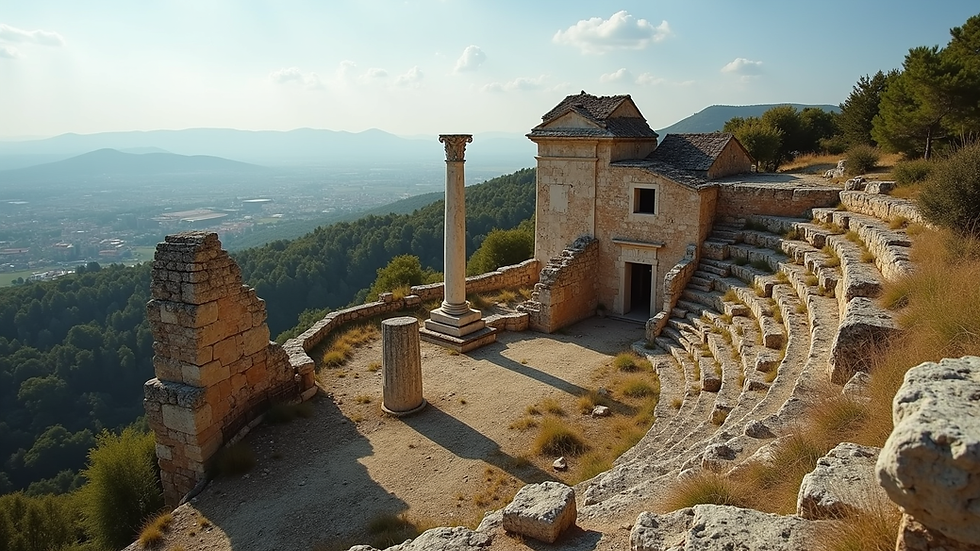
These experiences enrich the journey and help visitors better understand the importance of historical sites.
Practical tips to fully enjoy your visits
Pour que votre exploration des sites historiques d’Europe soit réussie, voici quelques astuces simples mais efficaces :
Plan your visits early in the morning to avoid the crowds and enjoy a more peaceful atmosphere.
Wear comfortable shoes, as many sites require walking on cobblestones or uneven terrain.
Bring an audio guide or join a guided tour to better understand the anecdotes and historical details.
Respect the site rules to help preserve these treasures for future generations.
Don’t forget your camera to capture these unique moments, but avoid using flash in museums.
By following these tips, each visit becomes an enriching and enjoyable experience.
Immersing yourself in local culture around historical sites
Beyond the monuments, discovering local traditions enriches the journey even more. Villages around historical sites often offer artisan markets, local culinary specialties, and traditional festivals.
For example, after exploring Prague Castle, stroll through the streets of the Old Town to sample traditional Czech dishes. In Spain, around the walls of Ávila, medieval festivals recreate the atmosphere of the past with costumes and performances.
These moments of sharing and conviviality bring history to life and create unforgettable memories.
For those looking for ideas for their next getaway, I highly recommend consulting resources dedicated to inspiring travel in Europe. They are full of advice and authentic stories to help plan a memorable stay.
The call of the past: why visit Europe’s historical sites?
Exploring Europe’s historical sites is much more than a simple tourist trip. It is an invitation to understand our shared heritage, to feel the emotions of the men and women who lived before us. It is also a source of inspiration for imagining the future.
Each visit is a unique adventure, an encounter with time. Whether you are passionate about history, an architecture enthusiast, or simply curious, these places offer a living and captivating spectacle.
So, are you ready to set off and discover these wonders? Europe awaits you, rich in stories and mysteries.
I encourage you to pack your bag, open your mind, and let yourself be carried away by the magic of Europe’s historical sites. This journey through time promises powerful emotions and unforgettable memories. Happy exploring!


Comments