What to Buy in Morocco: 15 Best Moroccan Souvenirs and Gifts

Updated: Aug 18
Understanding Value Beyond the Price
Shopping in Morocco taught me very quickly that prices are flexible and negotiation is part of the culture. In the vibrant souks of cities like Marrakech, Fes, and Chefchaouen, the price of an item is rarely fixed — and its true value goes far beyond size or appearance.
What may look like two identical items at first glance can differ significantly in quality, origin, craftsmanship, and authenticity. From handwoven rugs to leather goods and ceramics, each piece carries a story shaped by local traditions and artisanal skill. Understanding this is key to navigating Moroccan markets and souk shopping with confidence.
1- Moroccan Carpets & Rugs

If you're shopping for Moroccan rugs or Berber carpets in Morocco, you'll quickly notice that prices can vary widely. The value of a rug depends on several important factors, including the quality of the wool, the weaving technique, and where it was made.
High-quality rugs are typically crafted from soft, locally sourced wool, making them more durable and comfortable. Many of the most sought-after handmade Moroccan rugs are colored using natural dyes made from plants, spices, and minerals, which create rich colors that age beautifully over time. The level of detail also matters, as rugs with a higher knot density require more time and craftsmanship to produce.
Authentic Berber rugs from the Atlas Mountains and rural artisan cooperatives are often considered the highest quality because they are handmade using traditional techniques passed down through generations. Since a genuine handmade rug can take weeks or even months to complete, these unique pieces naturally cost more than factory-made alternatives.
Where to Buy Authentic Moroccan Rugs
Certain regions are known for their transparency and quality when it comes to Moroccan rugs. Sellers in Fez and the Atlas Mountains often provide more detailed information about the rugs’ origins, materials, and production methods. These areas are excellent for travelers looking to invest in authentic Berber rugs rather than mass-produced souvenirs.
2- Argan Oil and beauty products
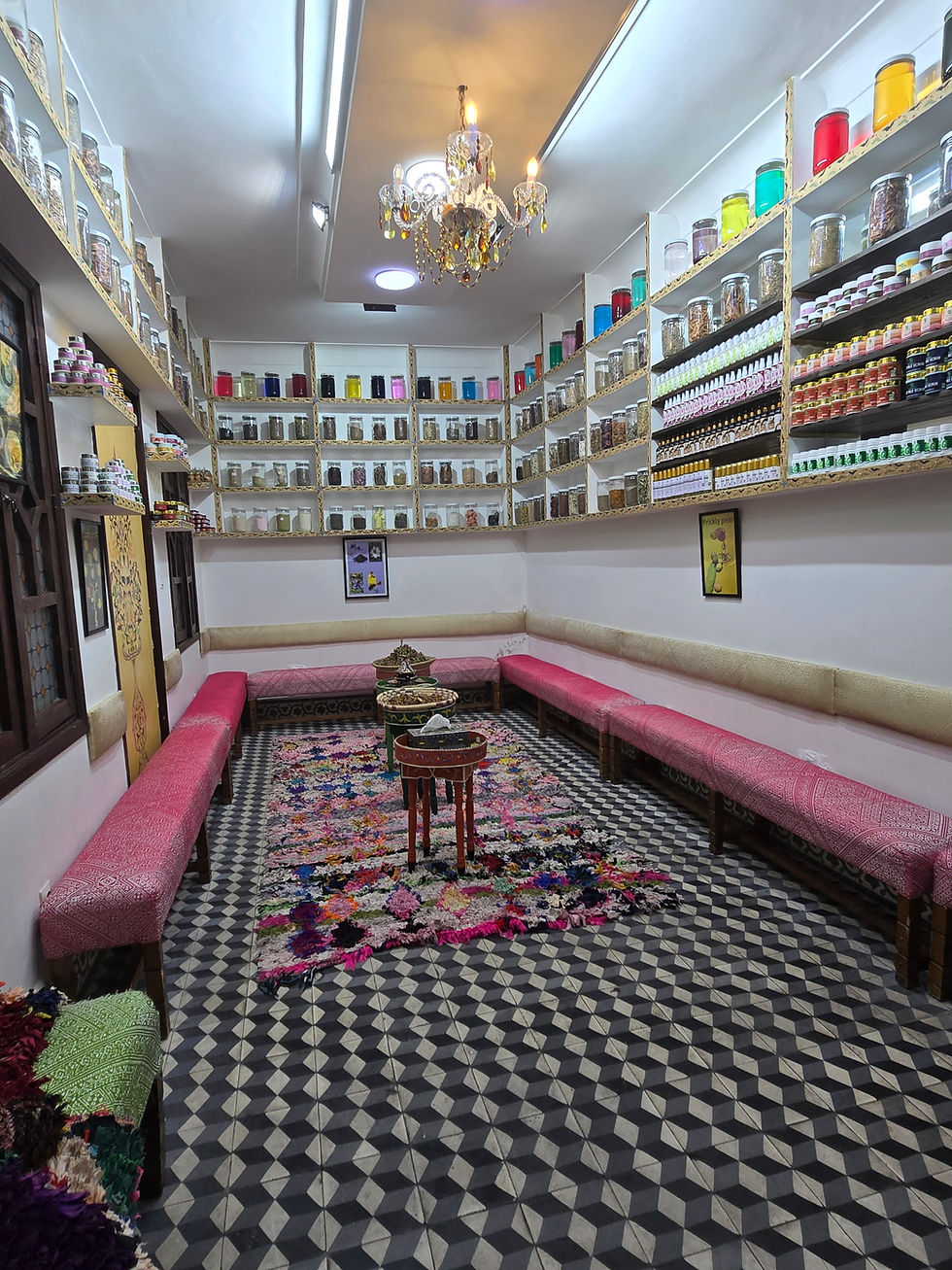
Beyond Argan Oil: Moroccan Beauty Products Worth Buying
While argan oil is undoubtedly Morocco's most famous beauty product, the Marrakech souks offer an incredible variety of natural skincare and wellness products that make excellent souvenirs.
One of my personal favorites is rose water, produced from roses grown in the Valley of Roses near Kalaat M'Gouna. Locals use it as a facial toner, body mist, and refreshing skin treatment. Its light floral scent instantly brings back memories of wandering through the colorful markets.
Another popular product is ghassoul (rhassoul) clay, a mineral-rich clay from the Atlas Mountains that has been used in Moroccan hammams for centuries. Mixed with water, it becomes a natural cleanser for the face, body, and hair.
You'll also find black soap (savon noir), a traditional olive-based soap used during hammam rituals. Combined with a kessa exfoliating glove, it creates one of the most authentic Moroccan spa experiences you can recreate at home.
For fragrance lovers, the souks are a paradise. Shops are filled with bottles of concentrated perfume oils and natural essences, including:
Orange blossom: fresh, light, and distinctly Moroccan.
Rose essence: delicate and romantic.
Jasmine oil: sweet and floral.
Amber musk: warm, rich, and long-lasting.
Oud fragrances: luxurious woody scents popular throughout North Africa and the Middle East.
Patchouli and sandalwood blends: earthy fragrances often used in traditional perfumes.
Many merchants will even create custom scent blends based on your preferences, making for a unique and highly personal souvenir.
3-Leather Goods

Leather is one of the most iconic products you’ll encounter when shopping in Morocco, but it’s also one of the most variable in terms of price and quality. During my travels, I quickly realized that leather goods in Morocco can differ dramatically, even when they appear similar at first glance.
When buying leather products in Morocco, several factors influence the final price:
Leather quality and thickness – Higher-quality leather is thicker, more durable, and ages better over time
Craftsmanship and stitching – Handmade items with precise stitching and attention to detail are significantly more valuable
Production method – Artisanal, hand-finished products cost more than factory-made items
Design and finishing – Traditional designs and natural dyes often indicate more authentic craftsmanship
One of the most famous places to buy leather is Fez, home to the historic Chouara Tanneries, where leather has been produced using traditional methods for centuries. In this area, prices tend to reflect real craftsmanship rather than purely tourist demand, making it one of the best places to find high-quality items.
Shopping near the tanneries also gives you insight into the leather-making process in Morocco, from dyeing the hides to crafting finished products. This transparency helps ensure you’re buying something genuine.
Over time, I developed a simple approach to navigating the leather souks in Morocco:
Compare prices across multiple shops before buying
Inspect stitching, smell, and texture to assess quality
Ask how and where the leather was made
Avoid rushed purchases in high-pressure environments
4-Babouches (Moroccan Slippers) and leather sandals

Babouches—those iconic Moroccan leather slippers—are among the most popular and affordable souvenirs to buy in Morocco. You’ll find them in nearly every souk, from Marrakech and Fez to Chefchaouen and Essaouira, often in vibrant colors and intricate designs.
At first glance, most babouches look similar, with prices typically ranging from 80 to 200 MAD (approximately $8–20 USD). However, as I quickly learned, the difference in comfort, durability, and craftsmanship can be significant.
When shopping for authentic Moroccan babouches, the price is influenced by several key factors:
Leather quality – Soft, high-quality leather makes the slippers more comfortable and long-lasting
Hand-stitching – Handmade babouches tend to be more durable and better finished
Design purpose – Some pairs are made for everyday walking, while others are purely decorative
Craftsmanship – Traditional artisan-made pieces often cost slightly more but provide better value over time
These factors explain why some slippers feel soft and flexible right away, while others are stiff and uncomfortable despite looking appealing.
In tourist-heavy areas, you’ll often find flashy babouches designed to catch the eye, but they are sometimes made with lower-quality materials and are less suitable for everyday use. These versions may look beautiful but lack comfort and durability.
In contrast, quieter stalls and less touristy parts of the medina usually offer better-quality babouches at fair prices. These are often produced by local artisans and designed for practical use, making them a better investment for travelers seeking authentic Moroccan footwear.
If you’re planning to shop in Moroccan souks, here are a few simple tips:
Try them on if possible to check comfort and flexibility
Feel the leather—it should be soft, not stiff
Check the stitching and inner sole for quality
Compare several shops before buying
Ask if they are handmade and suitable for walking
These steps will help you find babouches that are not only beautiful but also comfortable and long-lasting.
Whether you wear them at home or as lightweight travel shoes, choosing a high-quality pair ensures you bring back something both practical and meaningful.
5- Wall decoration and art paint

Among the most beautiful souvenirs to bring home from the souks of Marrakech, handcrafted wall decorations and paintings are true standouts. As seen in this photo, vibrant artworks featuring iconic Moroccan architecture capture the essence of the country, showcasing elegant Moorish arches, winding medina alleyways, ancient kasbahs, and camel silhouettes set against soft, desert-inspired pastel backgrounds. Hand-painted by local artists, these pieces beautifully reflect the colors, culture, and atmosphere of Morocco while adding a unique touch of warmth and character to any home.
Visitors can also discover an impressive selection of traditional wall décor, including carved wooden ornaments inspired by historic Moroccan doors, decorative mirrors adorned with intricate geometric patterns, and handcrafted pieces that showcase the country's rich artistic heritage. These authentic, artisan-made creations are more than simple souvenirs; they are lasting reminders of Morocco's craftsmanship and timeless beauty. Whether displayed in a living room, office, or hallway, these paintings and decorative pieces bring a touch of Marrakech's magic and charm long after the journey has ended.
6- Traditional Clothing (Kaftans & Djellabas)

Traditional Moroccan clothing, such as djellabas and kaftans, offers a unique blend of elegance, comfort, and cultural heritage. These garments are among the most authentic items to buy in Morocco, appealing to travelers looking for both wearable souvenirs and high-quality craftsmanship.
In my experience, cities like Rabat and Marrakech are among the best places to invest in high-quality Moroccan clothing. Boutiques and specialized shops in these areas tend to focus more on tailoring, fabric selection, and craftsmanship, offering pieces that are designed to last.
While you can find cheaper options in tourist markets, boutiques provide a more reliable experience when looking for authentic, well-made garments rather than decorative or low-quality versions.
7- Moroccan Spices

Spices are generally affordable in Morocco, though their prices can vary significantly depending on rarity, quality, and origin. When buying spices, freshness and provenance are key factors to ensure value and flavor; it’s best to avoid pre-packaged tourist kits and instead purchase from local market vendors who weigh and scoop spices in front of you. A strong, rich aroma is often a reliable indicator of freshness and quality, helping you choose authentic Moroccan spices that enhance your culinary experience and deliver the best taste.
8- Moroccan Teapots & Tea Glasses

In Morocco, teapots—especially traditional Moroccan mint tea pots (berrad)—are available at a wide range of prices depending on craftsmanship and materials. A simple, functional teapot typically starts around 150 MAD ($15), making it an affordable option for daily tea preparation, while more elaborate, hand‑engraved models with heavier metal can range from 400 to 800 MAD ($40–80) or more. The price is influenced by factors such as weight, the intricacy of the engraving, and whether the piece is designed for practical use or purely decorative purposes. When shopping for a Moroccan teapot, it’s important to check key details like the fit of the lid and the smooth flow of the spout to ensure usability. Although complete tea sets may come at a higher cost, they often offer better value and enhance the overall Moroccan tea experience, making them a worthwhile investment for anyone interested in authentic Moroccan kitchenware and daily tea rituals.
9- Lanterns & and wall decoration

Moroccan lanterns, also known as Moroccan lamps or decorative metal lanterns, come in a wide range of styles and prices, making them a popular choice for both home décor and souvenirs. Prices typically start around 100 MAD ($10) for small candle holders and can reach 600 to 1,200 MAD ($60–120) or more for large, intricately handcrafted pieces. The cost is largely driven by factors such as hand-cut metalwork, material thickness, and the complexity of traditional geometric or floral designs, which are key elements of authentic Moroccan craftsmanship. Higher-quality lanterns feel solid and durable, while mass-produced versions tend to be lighter and sound hollow when tapped. When shopping, always compare multiple pieces and inspect the detailing closely to ensure you're getting a well-crafted item that will last and provide beautiful ambient lighting.
For the best selection of authentic Moroccan lanterns, certain cities stand out. Marrakech is one of the top destinations, especially in the souks of the Medina, where you’ll find a vast variety ranging from affordable pieces to high-end artisanal work. Fez is another excellent city, known for its deep-rooted artisan traditions, where many lanterns are still made using centuries-old techniques in local workshops. For slightly lower prices and fewer tourists, Essaouira offers a more relaxed shopping experience with quality craftsmanship. Casablanca and Rabat also carry beautiful lanterns in modern artisan boutiques, often with a contemporary twist on traditional designs. No matter where you shop, taking the time to explore different cities and markets will help you find a unique piece of Moroccan lighting décor that reflects both quality and authenticity.
10- Thuya Wood Items
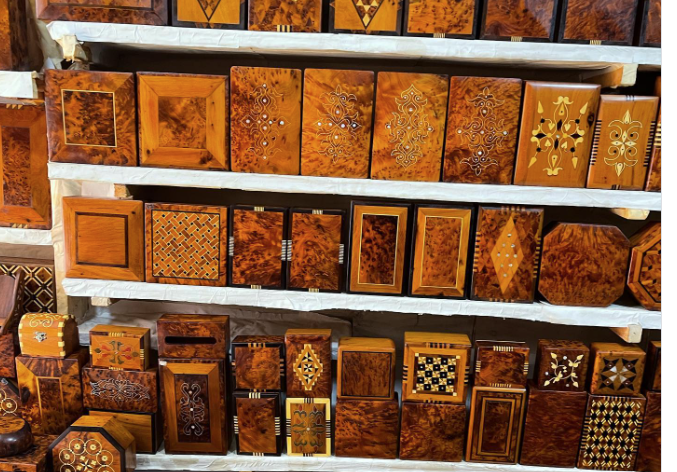
Thuya boxes and bowls—popular examples of Moroccan wood crafts and Essaouira souvenirs—typically cost between 200 and 500 MAD ($20–50), depending on size and craftsmanship. Prices increase with the density and quality of thuya wood, a fragrant burl wood native to the Essaouira region, as well as the level of intricate inlay work, polishing, and finishing applied to each piece. Items featuring detailed marquetry with lemon wood, ebony, or mother-of-pearl accents tend to command higher prices due to the skill and time required. In Essaouira, widely considered the best city to buy authentic thuya products, many artisans work in small workshops where you can see the carving, shaping, and polishing process firsthand. This direct interaction not only ensures authenticity but also adds value, as understanding how many hours—or even days—it takes to complete a single piece often justifies paying a premium. When shopping for handcrafted Moroccan thuya wood items, it’s worth comparing several दुकans, checking the smoothness of the finish, and even smelling the wood—genuine thuya has a distinctive, pleasant aroma that signals quality and authenticity.
11-Berber Jewelry

Silver jewelry in Morocco is both affordable and culturally rich. Authentic Moroccan silver jewelry often features handmade designs, natural stones such as turquoise, coral, or amber, and meaningful traditional symbols rooted in Berber heritage, all of which significantly enhance its value. While tourist-oriented pieces may appear highly polished and attractive, they often lack authenticity and cultural significance—and are frequently overpriced for their quality.
For travelers seeking the best selection of genuine pieces, Tiznit is widely regarded as the top destination for authentic Moroccan silver jewelry, known for its long-standing reputation as a center of silver craftsmanship. The city offers a vast variety of designs, from chunky tribal necklaces to finely detailed rings and bracelets, often at more competitive prices than major tourist hubs. Other cities like Marrakech and Fez also provide a good selection, but buyers should be more discerning and compare carefully. Shopping directly from artisans or reputable souks not only ensures better quality but also allows you to discover unique, handcrafted pieces that reflect the true artistry of Moroccan jewelry traditions.
12- Woven Baskets & Palm Crafts

Moroccan baskets are among the most affordable and practical Moroccan souvenirs, with prices typically ranging from 50 to 200 MAD ($5–20) depending on size, craftsmanship, and materials. These handwoven baskets are usually made from natural fibers such as palm leaves, reed, or straw, and their value increases slightly with tighter weaving, durability, and unique handmade shapes or patterns. Despite these variations, they remain budget-friendly and highly versatile, perfect for storage, shopping, or home décor. For the best selection, cities like Marrakech offer a wide variety in the bustling souks, while Fez is known for its more traditional, finely crafted designs. Essaouira provides a more relaxed shopping experience with good quality at fair prices, and smaller cooperatives in rural areas often sell authentic pieces directly from artisans. Buying from cooperatives is particularly rewarding, as it supports local communities and ensures you’re getting genuine eco-friendly Moroccan baskets made with care and traditional techniques.
13-Moroccan Dates and Olives

Good‑quality dates usually cost 20–50 MAD ($2–5) per pack.
Price depends on variety, freshness, and packaging. Vacuum‑sealed packs cost more but travel better. Markets offer better value than souvenir shops.
For fresh table olives in local markets like the Olive Souq in the Marrakech Medina, you can expect the following typical retail rates:
Marinated Olives: typically range between 29.50 and 59 MAD per kg ($2.87 – $5.73 USD) depending on the variety and preparation. You can often purchase a generous half-kilogram portion of marinated or spiced olives for roughly 10 MAD.
14- Herbal Teas & Dried Herbs
Herbs in Morocco are very affordable, with most costing between 10 and 30 MAD ($1–3) per bag, making them an accessible staple in traditional cooking and natural remedies. However, when buying Moroccan herbs, factors such as freshness, origin, and seller expertise play a key role in determining true value. Vendors who take the time to explain how to use and prepare their herbs—whether for tea, cooking, or wellness—are often more knowledgeable and tend to offer higher-quality products at fair prices. A vibrant color, strong natural aroma, and proper storage are all good indicators of freshness. For the best experience, markets in cities like Marrakech, Fez, and Essaouira offer a wide selection of authentic Moroccan herbs, where you can compare quality and learn directly from local sellers, ensuring you bring home flavorful and genuine products.
15- Moroccan Pastries (Packaged)

Moroccan pastry boxes are a delicious and affordable treat. Traditional Moroccan pastries such as cornes de gazelle, briouats, and chebakia are often handmade, and those made with high-quality almond paste, pure honey, and delicate flavorings like orange blossom water tend to cost more—but are well worth the price. Careful packaging, especially in sturdy or decorative boxes, also increases the cost slightly, yet it is essential if you plan to travel with them or bring them back as gifts. Cities like Fez and Marrakech are renowned for their pastry craftsmanship, offering some of the finest selections in traditional bakeries, while Casablanca and Rabat provide more modern pastry shops with high-end presentation. Choosing quality over quantity ensures you enjoy an authentic Moroccan dessert experience that highlights the country’s rich culinary heritage.
Final Thoughts
Shopping in Morocco is about more than finding a good deal. It's an opportunity to discover authentic Moroccan craftsmanship, from hand-painted artwork and traditional wall décor to handmade jewelry and artisan treasures. While the souks of Marrakech offer plenty of cheap souvenirs, the most memorable purchases are often the handcrafted pieces that reflect Morocco's rich cultural heritage.
Whether you're looking for affordable Moroccan souvenirs, unique home décor, or authentic artisan products, understanding the value behind each item helps you shop with confidence. In the end, the best souvenirs are not just beautiful objects but lasting reminders of your Morocco travel experience and the vibrant atmosphere of the Marrakech souks.


Comments